NYC’s Leading Integrative Health Care Center

Anti-Aging and Longevity Treatments Remember when you were in college and stayed up all night drinking beer, eating pizza, and partying; yet you still were able to attend class in the morning? How many of you could do that now?
Medically reviewed by Rashmi Gulati, MD — Last updated: September 26, 2026
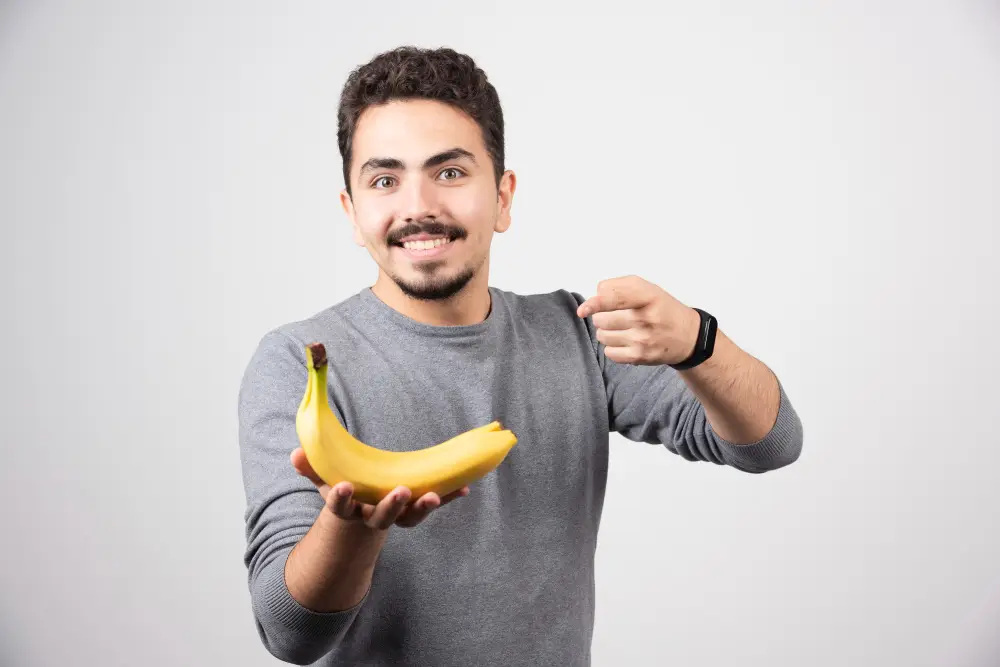
Probably not much. Bananas are a good source of potassium and vitamin B6, but no study has shown they ease restless legs, and RLS isn’t linked to low potassium. The nutrient that matters most in RLS is iron, and a banana has almost none. This guide explains why the banana tip is so popular, what actually helps, and when testing makes sense.
Iron in a banana, about 2% of daily needs
Ferritin level where iron treatment is advised
Integrative care since 1974
A banana is a healthy snack, but it isn’t a treatment for restless leg syndrome. The idea comes from its potassium and magnesium, yet studies don’t link RLS to low potassium, and a 2019 review couldn’t confirm that magnesium helps either. The best-supported nutrition step is checking iron: the American Academy of Sleep Medicine supports iron treatment when ferritin is 75 ng/mL or lower. If bananas seem to help you, that may be because you’re confusing RLS with night-time leg cramps.
About 422 mg potassium, 32 mg magnesium and a quarter of daily vitamin B6
Enough iron in the brain, checked through ferritin and iron saturation
Iron repletion when low, less caffeine and alcohol, regular sleep and exercise
Symptoms happen most nights, ruin your sleep, or started with a new medication
The banana tip usually comes from leg cramps, not RLS. The two are easy to mix up, even for doctors, but they feel different and are treated differently. Knowing which one you have saves you from the wrong fix.
| RESTLESS LEG SYNDROME | NIGHT-TIME LEG CRAMPS | |
|---|---|---|
| What it feels like | An urge to move, with crawling, pulling or aching feelings; uncomfortable rather than painful | A sudden, painful tightening of a muscle, often the calf or foot |
| Visible muscle knot | No | Yes, the muscle is hard and contracted |
| What relieves it | Moving or walking, but only while you keep moving | Stretching the muscle, such as pulling the toes up |
| Timing | Builds in the evening while sitting or lying still | Strikes suddenly, often waking you from sleep |
| Main nutrition link | Low iron stores | Not shown to be caused by low potassium or magnesium |
| Learn more | What is restless leg syndrome? | Pain symptoms |
Get same-day care for pain with swelling, warmth or redness in one calf, which can signal a blood clot. Call 911 if you also have chest pain or shortness of breath.
RLS can stand alone or come from another condition. These guides cover its causes, triggers and the treatments with real evidence.
Each nutrient below is one people credit for the banana tip. The label shows how strong the link to restless legs really is.
A medium banana covers about 12–16% of daily needs. Low potassium isn’t a recognized cause of RLS, and even night-time leg cramps haven’t been tied to potassium levels. If you have kidney disease or take potassium-raising medicines, check with your doctor before eating a lot.
About 8–10% of daily needs. A 2019 systematic review found only one controlled trial, which showed no benefit, and couldn’t say whether magnesium helps RLS. An ounce of pumpkin seeds has about five times more.
Low brain iron is the best-established nutrition link to RLS. A banana provides about 2% of daily iron, and women aged 19–50 need 18 mg a day. You would need around 60 bananas to meet that.
Bananas are a strong source, at about a quarter of daily needs. B6 helps the body make dopamine, the brain chemical involved in RLS, but there’s no evidence that eating more B6 relieves symptoms.
A banana has about 10 mg. Vitamin C helps your body absorb plant iron, so a banana with lentils or fortified cereal is a better pairing than a banana alone.
Low folate is sometimes checked in RLS, especially in pregnancy, but a banana supplies only about 6% of daily needs. Leafy greens and legumes are far richer sources.
If you want to use food to help restless legs, put your effort here. Bananas can stay in your diet; they just aren’t the lever that moves symptoms.
Meat, poultry and seafood supply heme iron, which is absorbed best. Beans, lentils and fortified cereals add plant iron. This is the food change most tied to RLS.
Fruit, peppers or tomatoes in the same meal boost how much plant iron you absorb. This is where a banana genuinely earns its place: next to beans or fortified cereal.
Sleep medicine guidance advises cutting back on caffeine. Coffee and tea with meals also block iron absorption, so drink them between meals.
Alcohol and nicotine are on the same guideline list as caffeine. Even a drink or two at night can bring on symptoms and break up sleep.
Regular bedtimes and moderate daytime exercise help, according to the NIH. Hard workouts late in the evening can make symptoms worse.
Sedating antihistamines in many night-time sleep and cold products, some anti-nausea drugs and some antidepressants can worsen RLS. Ask before stopping any prescription.
Amounts are from the NIH Office of Dietary Supplements. Daily needs are for adults aged 19–50.
| NUTRIENT | 1 MEDIUM BANANA | RICHER SOURCES | DAILY NEED | LINK TO RLS |
|---|---|---|---|---|
| Iron | 0.3 mg | Fortified cereal 18 mg; oysters (3 oz) 8 mg; white beans (1 cup) 8 mg; lentils (½ cup) 3 mg | Women 18 mg; men 8 mg | Strong: low iron stores are the main treatable cause |
| Magnesium | 32 mg | Pumpkin seeds (1 oz) 156 mg; almonds (1 oz) 80 mg; spinach (½ cup) 78 mg; black beans (½ cup) 60 mg | Women 310–320 mg; men 400–420 mg | Unclear: only small, mixed studies |
| Potassium | 422 mg | Dried apricots (½ cup) 755 mg; lentils (1 cup) 731 mg; baked potato 610 mg | Women 2,600 mg; men 3,400 mg | None shown |
Beans and lentils supply iron, magnesium and potassium together, which makes them a better RLS-friendly staple than bananas. Supplement magnesium above 350 mg a day can cause diarrhea; ask before taking it.
Four steps that replace guesswork with tests, so the changes you make actually target the cause.
A 60–90 minute first visit to separate RLS from cramps, neuropathy or poor circulation, with a review of sleep, diet and medications.
Ferritin and iron saturation drawn in the morning, plus blood count, kidney function, B12, folate and thyroid where needed.
A two- to three-week caffeine and alcohol break, and screening for sleep apnea, which often travels with RLS.
Iron repletion if levels are low, diet and sleep changes, and medicine when needed, with ferritin rechecked to confirm progress.
The American Academy of Sleep Medicine updated its RLS guideline in 2024. Here is what it means for patients, alongside the integrative steps we add.
Oral or IV iron when ferritin is 75 ng/mL or lower, and IV iron when it’s 75–100 ng/mL, because tablets absorb poorly at that level. Extra iron is harmful when stores are normal, so test first.
Gabapentin, gabapentin enacarbil and pregabalin received strong recommendations. Drowsiness and dizziness are the main side effects.
Ropinirole, pramipexole, rotigotine and levodopa are no longer first-line because they can cause augmentation, a worsening of symptoms over time. “Natural L-dopa” supplements such as mucuna contain the same levodopa and shouldn’t be self-prescribed.
Sleep apnea, kidney disease, nerve damage and pregnancy can all drive RLS. Treating them often eases the legs too.
Warm baths, leg massage and stretching before bed. The NIH also notes an FDA-approved wearable device (TOMAC) for some patients.
Nutrition built around iron, stress care and sleep routines are added alongside standard treatment, not in place of it.
Your physician coordinates with your primary care doctor and a sleep or neurology specialist when needed. See also can restless leg syndrome be cured?
A starting template, not a prescription. Try it for two to three weeks, note your symptoms each night, and bring the diary to your appointment.
| Breakfast | Iron-fortified cereal or oats with a sliced banana; coffee, if any, an hour after eating |
| Lunch | Lentil or bean soup with a vitamin C-rich side such as peppers or tomatoes |
| Afternoon | No caffeine after noon; a handful of pumpkin seeds or almonds as a snack |
| Early evening | A 20–30 minute walk; avoid hard workouts close to bedtime |
| Dinner | Fish, poultry or lean meat with greens; dairy and calcium kept for another meal |
| Before bed | No alcohol; a warm bath, calf stretches or leg massage; a banana is fine if you’re hungry |
Published clinical trials we could find testing bananas for restless leg syndrome
Controlled trial of magnesium for RLS in a 2019 review, with no clear benefit
Bananas needed to reach a woman’s 18 mg daily iron requirement
Ferritin range (ng/mL) where the 2024 guideline favors IV iron over tablets
Serving New York patients since 1974.
Ferritin and iron saturation, not just hemoglobin, which can be normal while stores are low.
We tell you which remedies are worth trying and which, like bananas, you can relax about.
Sleep, nutrition, kidneys, nerves and medications are reviewed together. Why functional medicine
Medical Director
Rashmi Gulati, MD, is a board-certified functional medicine doctor Manhattan and a leading holistic doctor in NYC.
Holistic Pain Management Physician
Holistic pain management physician at Patients Medical, caring for patients with chronic pain and inflammation.
There’s no evidence that they do. Bananas supply potassium, magnesium and vitamin B6, but RLS isn’t linked to low potassium and magnesium hasn’t been proven to help. The most important nutrition check for RLS is iron, which bananas barely contain.
Often they had night-time leg cramps rather than RLS, or their symptoms changed for another reason, such as less caffeine or better sleep. RLS also naturally comes and goes, which makes any remedy look like it worked.
It’s fine as a light snack and won’t make RLS worse. Just don’t expect it to stop symptoms. Skipping evening alcohol and caffeine will do more.
Probably not either. Night-time leg cramps haven’t been linked to low potassium or other electrolytes, and there’s no evidence that potassium helps them. Stretching the calf before bed is the simplest first step.
Most often, iron. Low iron in the brain is the best-established link, and ferritin can be low even when your blood count is normal. B12 and folate are sometimes checked as well. Blood testing
It isn’t a recognized cause. The NIH lists low iron, genetics, kidney failure, nerve damage, pregnancy and some medications as linked factors. Don’t take potassium supplements without a doctor’s advice, especially if you have kidney disease.
It’s uncertain. A 2019 review found mostly case reports and one controlled trial with no clear benefit. Iron testing is a better first step than buying magnesium.
Foods that build iron stores: lean meat, fish, beans, lentils and fortified cereals, paired with vitamin C. Keep coffee, tea and dairy away from those meals. Nutritional guidance
Caffeine and alcohol have the most support, especially later in the day. Gluten matters only if you have celiac disease. Foods that trigger RLS
Get up and walk, stretch your calves, massage your legs or take a warm bath. These ease symptoms for many people in the moment. Quick ways to ease RLS
Yes, but no longer as first choice. The 2024 guideline advises against routine use because they can cause augmentation, where symptoms worsen over time. If you already take one and it works at a low dose, keep reviewing it with your doctor.
There’s no cure for primary RLS, but symptoms can often be controlled. When RLS comes from low iron, pregnancy or a medication, correcting the cause can make it go away. Can RLS be cured?
If symptoms happen most nights, keep you from sleeping, started with a new medication, or come with numbness or weakness. A first visit includes a history, a medication review and blood tests for iron and other causes. What to expect at your first visit
Patients Medical specializes in gently helping the patient identify the root cause of their medical issues and then assist them to recover from their problems to help them move forward to good health.
To schedule an in person on Tele-medicine appointment, please call our office at (212) 794-8800 or email us at info@PatientsMedical.com We look forward to hearing from you
Patients Medical PC
1148 Fifth Avenue, Suite 1B New York, NY 10128
Copyright © 2026 Patients Medical. All Rights Reserved.
All information presented in this website is intended for informational purposes only and not for the purpose of rendering medical advice. Statements made on this website have not been evaluated by the Food and Drug Administration. The information contained herein is not intended to diagnose, treat, cure or prevent any disease. Patients Medical.
Disclaimer: THIS WEBSITE DOES NOT PROVIDE MEDICAL ADVICE AND MAY BE OUT OF DATE. The information, including but not limited to text, PDFs, graphics, images, and other material contained on this website, is for general educational purposes only. No material on this site is intended to be a substitute for professional medical advice, diagnosis, or treatment, and does not create a patient-doctor relationship. Pricing on the website may be out of date, is subject to change without notice, and may be subject to additional terms and conditions. No information on this site is intended to be a financial quote for medical services. Always seek the advice of your physician or other qualified healthcare provider with any questions you may have regarding a medical condition, lifestyle or dietary changes, treatments, and before undertaking a new healthcare regimen. Never disregard professional medical advice or delay in seeking it because of something you have read on this website.