NYC’s Leading Integrative Health Care Center

Anti-Aging and Longevity Treatments Remember when you were in college and stayed up all night drinking beer, eating pizza, and partying; yet you still were able to attend class in the morning? How many of you could do that now?
Heart disease develops for years inside your arteries before a stress test, an EKG, or your own body gives you a warning sign. Our NYC physicians test the biology driving that process — inflammation, insulin resistance, particle-level cholesterol — so heart disease can be caught and addressed while it’s still reversible.
cause of death in the U.S. for both men and women
Americans have a heart attack every year
heart attacks are silent, with no recognized symptoms
of premature heart disease is considered preventable
Board-certified integrative medicine physician.
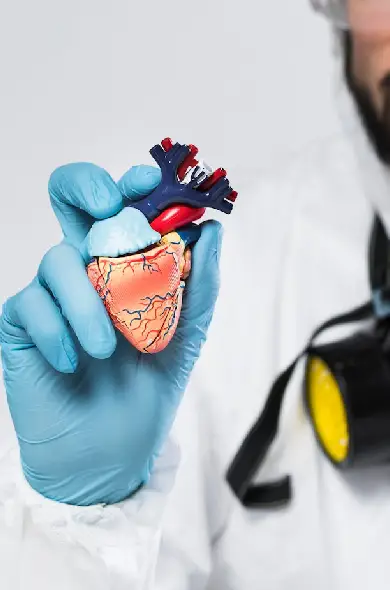
Heart disease is a group of progressive conditions in which the coronary arteries narrow, stiffen, or become inflamed, reducing blood flow to the heart muscle. It develops silently over one to two decades before chest pain, shortness of breath, or a cardiac event occurs.
Heart disease is a group of conditions affecting the structure and blood supply of the heart, and it begins as a slow, biological process rather than a sudden event.
In plain terms, heart disease most often means the coronary arteries — the vessels that feed the heart muscle itself — have become narrowed or stiffened by plaque, a mixture of cholesterol, calcium, and inflammatory cells that builds up along the artery wall. As this plaque grows, less oxygen-rich blood reaches the heart, particularly during physical exertion or stress, which is why symptoms often first appear during exercise before showing up at rest.
The biological mechanism starts with damage to the endothelium, the single-cell layer lining every blood vessel. Chronic exposure to high blood sugar, oxidized LDL particles, elevated blood pressure, or inflammatory signaling molecules injures this lining, making it “sticky.” LDL cholesterol particles infiltrate the damaged wall, become oxidized, and trigger an immune response: white blood cells rush in, engulf the oxidized particles, and form fatty streaks that harden into plaque over years. This is why cardiovascular risk is rarely about cholesterol alone — it’s about how much damage the vessel wall has sustained and how the immune system is responding to it.
Functional medicine recognizes this earlier timeline even when conventional cardiology has not yet flagged a problem. Standard care typically intervenes once a stress test shows reduced blood flow or an angiogram shows significant blockage — often after 60% or more of an artery is already narrowed. Functional medicine measures the upstream drivers — hs-CRP inflammation, insulin resistance, LDL particle number, Lipoprotein(a) — years earlier, when the process is still highly modifiable through targeted intervention rather than only through medication or a procedure.
Heart disease affects an estimated 1 in 20 U.S. adults over age 20, and it remains the leading cause of death for both men and women nationally. Risk rises sharply after age 45 in men and age 55 in women, though the underlying arterial changes typically begin decades earlier — which is precisely why early biomarker testing matters more than waiting for a diagnostic threshold to be crossed.
The three main vessels — the left anterior descending, circumflex, and right coronary arteries — that supply oxygenated blood directly to the heart muscle. Plaque formation here is the hallmark of coronary artery disease.
The single-cell inner lining of every blood vessel. Its health, or dysfunction, determines how readily plaque forms and how well arteries can dilate to meet the heart’s oxygen demand.
The heart’s muscular wall. When blood flow is chronically restricted, myocardial tissue can weaken over time, eventually reducing the heart’s overall pumping capacity.
Heart disease symptoms span far more than chest pain, because reduced blood flow affects energy, cognition, circulation, and hormonal signaling throughout the body which is why so many patients are dismissed for months before the cardiac connection is made.
Reduced oxygen delivery to tissues makes ordinary activity feel disproportionately draining.
The heart struggles to keep pace with oxygen demand during exertion or when lying flat.
A noticeable drop in the distance or intensity you can sustain compared to months earlier.
Triggered by the autonomic nervous system's response to cardiac strain.
Recovery time after activity lengthens as cardiac output declines.
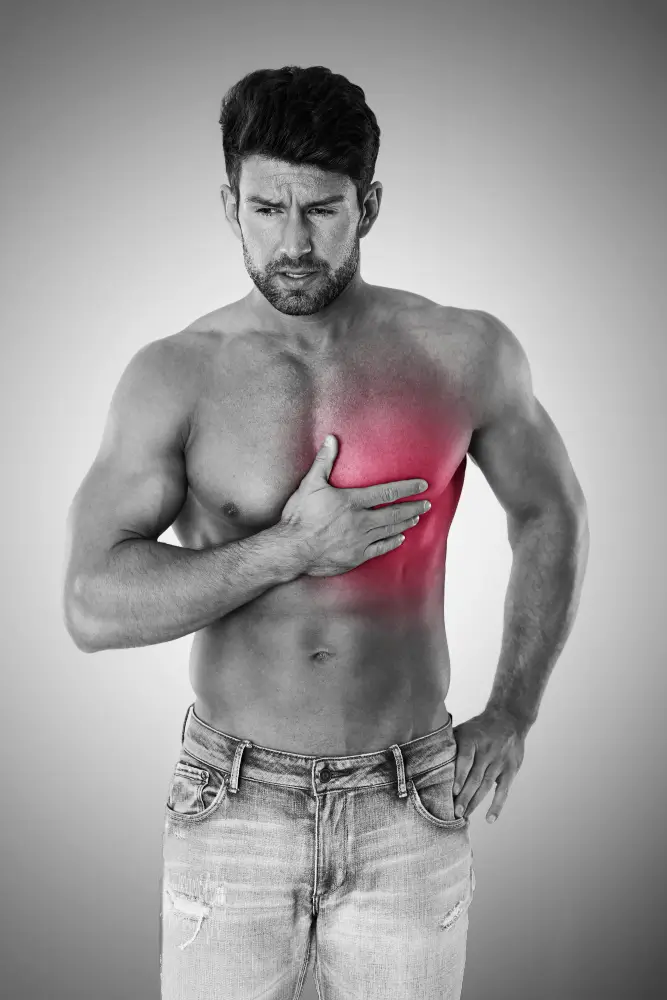
A squeezing or heaviness caused by the heart muscle temporarily outpacing its blood supply.
Referred pain from cardiac nerve pathways, more common in women.
Shared nerve pathways can radiate cardiac pain into the arm and shoulder.
Sometimes mistaken for indigestion, especially during a cardiac event.
A key differentiator from musculoskeletal pain.
Fluid backup when the heart's pumping efficiency declines.
Reduced peripheral circulation as blood is prioritized to core organs.
Irregular or rapid heartbeat sensations from electrical or structural changes.
Can reflect reduced cardiac output or an arrhythmia.
A later-stage sign of significantly reduced oxygenation.
Often the earliest detectable sign, since penile arteries are smaller and narrow first.
Reduced cerebral blood flow can impair concentration and memory.
Can reflect autonomic nervous system strain from cardiac stress.
Orthopnea (breathlessness lying flat) fragments sleep quality.
An atypical but recognized anginal equivalent, especially in women.
Cardiovascular risk staging matters because the treatment intensity, monitoring frequency, and urgency of intervention differ dramatically depending on how far arterial plaque has progressed.
No detectable plaque, but modifiable risk factors are present — elevated LDL particle count, insulin resistance, hypertension, or a strong family history.
Who: adults 30–50 with metabolic risk factors and no symptoms
Measurable but mild coronary calcification has begun. Symptoms are typically absent, but arterial biology has measurably shifted toward disease.
Who: adults 45–65 with prior risk exposure, often asymptomatic
Meaningful plaque burden exists. Exertional symptoms such as breathlessness or mild chest tightness may begin to appear intermittently.
Who: adults 55+ or younger patients with strong genetic risk (elevated Lp(a))
Extensive plaque with significant risk of arterial blockage. Symptoms are usually present and coordinated care with a cardiologist is essential.
Who: patients with established coronary artery disease or prior cardiac events
Heart disease is almost never the result of a single trigger it emerges from several interacting metabolic, inflammatory, and lifestyle factors compounding over years.
Chronically elevated insulin promotes fat storage and directly damages the endothelial lining of arteries.
A high count of small, dense LDL particles penetrates artery walls more readily than particle size alone suggests.
Elevated hs-CRP reflects ongoing vascular inflammation that accelerates plaque formation.
Sustained high pressure mechanically damages the arterial wall, accelerating atherosclerosis.
A genetically determined particle that independently raises risk regardless of standard cholesterol levels.
Linked to direct vascular wall injury, often driven by B-vitamin insufficiency.
Repeated overnight oxygen drops raise blood pressure and accelerate arterial damage.
Sustained cortisol elevation contributes to hypertension and inflammatory signaling.
Directly damages the endothelium and accelerates oxidative stress in arterial walls.
Reduces nitric oxide production, impairing the artery’s ability to relax and dilate normally.
Disrupts glucose regulation and blood pressure control, both upstream cardiovascular drivers.
Inherited lipid metabolism patterns and Lp(a) levels can predispose individuals independent of lifestyle.
Heart disease overlaps significantly with several related cardiovascular and metabolic conditions, and distinguishing between them determines which tests and treatments take priority.
| Condition | Key Biomarker | Best Diagnostic Test | Hallmark Symptom | Standard Panel Detection | Treatment Focus |
|---|---|---|---|---|---|
| Heart Disease | LDL particle number, hs-CRP | Coronary Artery Calcium Scan | Exertional chest pressure | Often missed | Root-cause biomarker reversal |
| Hypertension | Blood pressure reading | 24-hour ambulatory monitoring | Often asymptomatic | Detected | Blood pressure normalization |
| Metabolic Syndrome | Fasting insulin, waist circumference | Fasting insulin & glucose panel | Central weight gain | Partially detected | Insulin sensitivity restoration |
| Cholesterol Disorders | Total & LDL cholesterol | NMR LipoProfile | Usually asymptomatic | Detected (incompletely) | Lipid particle management |
The most clinically important overlap is with metabolic syndrome: insulin resistance drives both conditions simultaneously, so patients with one should always be screened for the other rather than treated in isolation.
Diagnosing heart disease accurately means looking past a standard cholesterol panel to the specific biomarkers that reveal both current plaque burden and future risk trajectory.
A low-dose CT scan that directly visualizes and scores calcified plaque already present in your coronary arteries. It’s the single most direct measure of existing disease burden and something a standard physical never captures.
Measures LDL particle number rather than just cholesterol content. Two people with identical LDL cholesterol can have very different particle counts — and particle number predicts cardiovascular risk more accurately than the standard number alone.
A high-sensitivity blood test that detects low-grade vascular inflammation, a key driver of plaque instability and progression that a routine physical exam cannot reveal.
Tests two genetically influenced risk factors that standard lipid panels never include, both of which can independently elevate cardiovascular risk even with otherwise normal cholesterol.
A non-invasive ultrasound measuring the thickness of the carotid artery wall, offering an early window into arterial aging that often precedes any coronary symptom.
Check all that apply to your current experience:
Treatment is built around your specific biomarker profile, not a one-size-fits-all statin-and-diet handout — because two patients with the same LDL number can have entirely different underlying drivers.
We track and treat LDL particle number, Lp(a), hs-CRP, and homocysteine directly, adjusting therapy as each marker responds rather than watching total cholesterol alone.
A Mediterranean-style, anti-inflammatory eating plan tailored to your labs — adjusted for insulin resistance, triglycerides, or specific lipid patterns identified in testing.
An IV therapy option for select patients with significant vascular calcification, used as part of a broader, physician-supervised cardiovascular protocol.
Targeted IV delivery of antioxidants and nutrients to support endothelial function and reduce oxidative stress on arterial walls.
Physician-dosed omega-3s, CoQ10, magnesium, and vitamin K2, selected and adjusted based on your specific lab values and existing medications.
Structured aerobic and resistance training guidance paired with blood pressure and glucose optimization to directly support endothelial and metabolic health.
Inflammatory and metabolic markers such as hs-CRP and triglycerides typically shift within 8–12 weeks. Blood pressure and energy improvements are often noticeable within the first month. Coronary Artery Calcium scores are reassessed at 12–24 months to evaluate plaque progression, with lab and symptom reviews scheduled every 90 days during active treatment.
Small, consistent, mechanism-targeted habits often move biomarkers as much as medication, especially in the earlier stages of arterial change.

Exercise at a pace where you can still hold a conversation, 30–40 minutes, 4–5 times weekly, to improve mitochondrial density and endothelial nitric oxide production without excessive cortisol spikes.

Reduce processed sodium intake below 1,500mg daily while increasing potassium-rich foods like leafy greens and avocado to directly support healthier blood pressure regulation.

Practice 10 minutes of slow, extended-exhale breathing (4 seconds in, 7 seconds hold, 8 seconds out) each evening to lower resting heart rate and reduce sympathetic vascular strain.

Maintain a fixed sleep and wake time, and request a home sleep study if you snore heavily or wake up gasping, since untreated apnea independently raises cardiovascular risk.

Endothelial function begins improving within weeks of quitting, since nicotine's direct vasoconstrictive and inflammatory effects stop immediately upon cessation.

Two sessions of full-body strength training improve insulin sensitivity and help regulate blood glucose, directly reducing one of the core upstream drivers of arterial damage.
Diet directly shapes arterial biology: it influences LDL particle size, systemic inflammation, insulin sensitivity, and blood pressure, often within weeks of a sustained change.
Replace refined carbohydrates and industrial seed oils with fiber-rich vegetables, extra virgin olive oil, and fatty fish — this one substitution improves LDL particle size, lowers hs-CRP, and reduces triglycerides simultaneously.
These conditions frequently coexist with heart disease and often share the same upstream drivers.
Sustained high blood pressure is both a cause and a common companion of coronary artery disease, damaging the same arterial lining.
Insulin resistance and abdominal fat accumulation drive both metabolic syndrome and arterial plaque formation simultaneously.
Abnormal lipid patterns are a central mechanism in atherosclerosis, though standard panels often miss the most predictive markers.
Chest pain from reduced coronary blood flow is frequently the first recognized symptom of underlying heart disease.
Shares the same atherosclerotic process as heart disease, affecting arteries supplying the brain instead of the heart.
Heart disease frequently clusters with other chronic inflammatory conditions sharing common lifestyle and metabolic roots.
Because heart disease can progress silently for years, a functional medicine evaluation is worth pursuing well before symptoms appear — but certain signs warrant more immediate attention.
Seek Emergency Care Immediately If You Experience: Sudden, severe chest pain or pressure, especially radiating to the arm, jaw, or back; sudden shortness of breath at rest; cold sweats with nausea and chest discomfort; or fainting combined with chest pain. These may indicate a heart attack in progress — call 911 or go to the nearest emergency room immediately rather than scheduling a routine appointment.
Shared with permission. Individual results vary based on personal health history and adherence to protocol.
Heart disease is an umbrella term for several conditions that damage the heart or its blood supply, most commonly coronary artery disease, in which plaque builds up inside the arteries that feed the heart muscle. This buildup, called atherosclerosis, narrows the artery and stiffens its wall, so the heart receives less oxygen-rich blood, especially during exertion. Related forms include arrhythmia (abnormal heart rhythm), heart failure (reduced pumping capacity), and valve disease.
Conventional cardiology diagnoses heart disease once plaque has caused measurable blockage or symptoms. Functional medicine looks earlier in the timeline, at the metabolic and inflammatory processes, such as insulin resistance, oxidized LDL particles, and endothelial dysfunction, that drive plaque formation years before a stress test or angiogram would detect it. Both models agree on the anatomy; they differ on when intervention should start.
At Patients Medical, we treat heart disease as a process that begins with arterial biology, not a single event, which is why our evaluation starts with biomarkers most primary care visits don’t order.
Most patients notice measurable changes in blood pressure, triglycerides, and inflammatory markers like hs-CRP within 8 to 12 weeks of starting a personalized functional medicine protocol, since these values respond relatively quickly to diet, exercise, and targeted supplementation.
Reversing or stabilizing arterial plaque is a longer process: coronary artery calcium progression is typically re-scanned at 12 to 24 months to assess whether the annual rate of plaque accumulation has slowed. Symptom relief, such as reduced chest tightness or improved exercise tolerance, often appears earlier, sometimes within the first month.
Patients on active treatment at Patients Medical typically have lab and symptom reviews every 90 days for the first year so the protocol can be adjusted as new data comes in.
A standard cholesterol panel only measures total, HDL, and LDL cholesterol, which misses the majority of cardiovascular risk information. A more complete diagnostic picture includes a Coronary Artery Calcium (CAC) scan, which directly visualizes calcified plaque; an NMR LipoProfile, which counts LDL particle number; hs-CRP, a marker of vascular inflammation; Lipoprotein(a) and homocysteine testing; and a Carotid Intima-Media Thickness (CIMT) ultrasound.
Together these tests answer three separate questions a basic lipid panel cannot: how much plaque exists right now, how likely new plaque is to form, and how inflamed the vascular system currently is. We select the specific combination based on your age, family history, and existing risk factors.
Heart disease itself does not directly cause weight gain, but the two conditions share root causes and often progress together. Insulin resistance is a major driver of both abdominal weight gain and arterial plaque formation, since excess circulating insulin promotes fat storage while damaging the vascular endothelium.
Separately, heart failure specifically can cause fluid retention: when the heart’s pumping capacity declines, fluid backs up into the legs, ankles, and abdomen, and this fluid weight can appear rapidly and needs prompt evaluation. Because the relationship runs in multiple directions, we evaluate insulin sensitivity, thyroid function, and fluid status together.
Hypertension is a single measurable condition: chronically elevated force of blood against artery walls. Heart disease is a broader category including coronary artery disease, arrhythmia, heart failure, and valve disorders. The two are deeply connected but not the same thing.
Hypertension is one of the strongest modifiable risk factors for developing heart disease, because sustained high pressure damages the endothelial lining, accelerating plaque formation. A person can have hypertension for years with a clear coronary calcium scan, or significant coronary artery disease with normal blood pressure. We test both together as inputs into overall cardiovascular risk, not as a stand-in for one another.
Reduced blood flow means less oxygen reaches the heart muscle and the rest of the body, which commonly shows up first as unusual fatigue rather than classic chest pain, especially in women. As heart disease progresses toward heart failure, fluid can accumulate in the lungs when lying flat, disrupting sleep and forcing patients to sleep propped up.
Undiagnosed sleep apnea works in the opposite direction too, repeatedly dropping blood oxygen overnight and raising blood pressure, which independently accelerates coronary artery disease. If you’ve noticed new exercise intolerance or waking up gasping, we screen for both cardiac and sleep-related causes together.
Omega-3 fatty acids (EPA/DHA) at therapeutic doses reduce triglycerides and vascular inflammation. CoQ10 supports mitochondrial energy production in heart muscle, particularly relevant for patients on statin therapy. Magnesium supports healthy blood pressure and normal heart rhythm. Vitamin K2 helps direct calcium into bone rather than arterial walls.
None of these should be self-prescribed at treatment doses, because appropriate dosing depends on your current labs, medications, and risk profile — omega-3s and certain herbs can interact with blood thinners. We build supplement protocols only after reviewing a complete panel.
Patients Medical combines advanced cardiovascular biomarker testing with physician-guided, personalized protocols — so you’re treating your actual arterial biology, not a generic risk category.
CAC scans, advanced lipid panels, and inflammatory markers most physicals never include.
Board-certified functional medicine physicians translate your results into a specific action plan.
Scheduled 90-day reviews and repeat imaging to confirm your protocol is actually working.
Call us at (212) 794-8800 · 800 Second Avenue, Suite 900, New York, NY 10017
Patients Medical specializes in gently helping the patient identify the root cause of their medical issues and then assist them to recover from their problems to help them move forward to good health.
To schedule an in person on Tele-medicine appointment, please call our office at (212) 794-8800 or email us at info@PatientsMedical.com We look forward to hearing from you
Patients Medical PC
1148 Fifth Avenue, Suite 1B New York, NY 10128
Copyright © 2026 Patients Medical. All Rights Reserved.
All information presented in this website is intended for informational purposes only and not for the purpose of rendering medical advice. Statements made on this website have not been evaluated by the Food and Drug Administration. The information contained herein is not intended to diagnose, treat, cure or prevent any disease. Patients Medical.
This website may convey general information related to medical conditions, their research, testing, and treatment, and other health care topics. Any such information is provided for informational purposes only. You should always consult with a doctor or other health care professional for medical advice or information about diagnosis and treatment.